Persistent lukewarm water, weeping pressure relief valves, and rusty tank seams disrupt households across Washington. Plumbing specialists size and install code-compliant storage and tankless water heaters statewide to deliver dependable, energy-efficient hot water.
Aging water heaters that struggle to keep up with daily household routines place unnecessary stress on residential plumbing systems in Washington. When heating elements burn out repeatedly or gas control valves develop intermittent electrical faults, continuing to invest in piecemeal repairs becomes counterproductive. Installing a brand-new water heating system restores consistent water temperature and eliminates recurring plumbing service disruptions and costly diagnostic visits.
Groundwater entering residential plumbing systems in Washington drops significantly in temperature during colder seasons, demanding greater thermal rise from water heating burners and electrical elements. Properly engineered installations take these local climate conditions into account, ensuring that new high-recovery storage vessels or tankless condensing heat exchangers maintain steady output temperatures without throttling fixture water flow during peak morning routines.
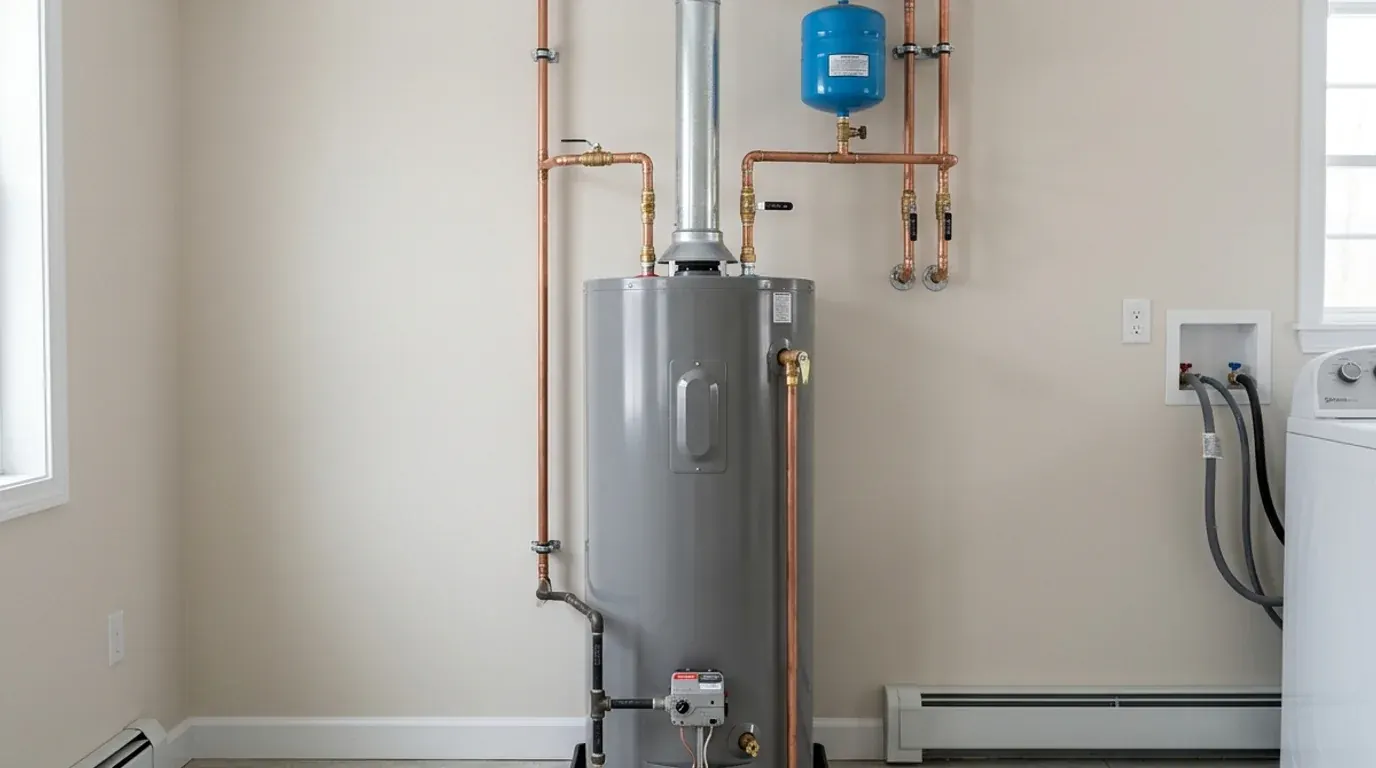
Every completed installation throughout Washington includes thorough water pressure regulation, expansion bladder pre-charge testing, and complete safe removal of obsolete rusted equipment. Plumbing specialists verify gas line tight-seal integrity, test element resistance, and ensure property owners receive dependable, uninterrupted hot water tailored directly to their household needs.
Statewide Water Heater Installation & Replacement Services in Washington
Tank Water Heater Installation: Comprehensive residential storage water heater installation, tank sizing, code-compliant thermal expansion tanks, and safe fuel connections.
Tankless Water Heater Installation: High-efficiency on-demand tankless water heater installation, tank-to-tankless retrofits, gas supply line sizing, and exterior direct-vent routing.
Gas Water Heater Installation: Natural gas and propane storage water heater installation, gas supply line piping, sediment dirt legs, and combustion exhaust flue venting.
Electric & Hybrid Water Heater Installation: High-efficiency electric storage tank and hybrid heat pump water heater installation, dual-element wiring, disconnect switches, and condensate drainage.
Commercial Water Heater Installation: Heavy-duty commercial water heater installation, high-recovery storage tanks, multi-unit tankless arrays, and commercial building code compliance.
Installation & Commissioning Workflow
Upgrading your hot water system involves a systematic installation process designed to minimize household disruption across Washington. The installation specialist evaluates family usage habits, bathroom fixture counts, and incoming winter groundwater temperatures to establish correct gallon capacity, first-hour draw requirements, or tankless flow rate metrics.
On installation day, the plumbing crew removes the obsolete equipment, runs updated gas flex or electrical connections, and mounts a thermal expansion tank onto the cold supply line. After testing for gas leaks with electronic sniffers and verifying proper relief valve discharge, technicians calibrate thermostats to safe anti-scald operating levels.
Water heater equipment installation & replacements for leading plumbing manufacturers across Washington:
RheemA. O. SmithBradford WhiteRinnaiNavienState Water HeatersRuudBoschNoritzAmerican StandardLochinvarReliance
Verified Customer Reviews in Washington
"Replacing our thirty-year-old galvanized water heater nipples with modern brass unions stopped chronic rust stains in our bathtubs. The technician drained eighty pounds of sediment out of the old vessel, mounted a brand-new energy-efficient tank, and thoroughly cleaned up every drop of residual drain water before packing their service truck."
"High municipal water pressure spikes had blown out the internal glass lining of our previous water heater. Along with installing our new 50-gallon tank, the installer plumbed in a heavy-duty pressure reducing valve that stabilized our entire domestic system at fifty-five PSI."
"Point-of-use mini-tank installation beneath our detached garage workshop sink gave us instant hot water without waiting on the main house line. The plumber wired the compact 120-volt unit under the counter and connected the stainless steel braided supply lines in under two hours without disrupting household water."
Water Heater Installation Service Areas in Washington
Plumbing installation specialists provide code-compliant water heater replacement to communities throughout Washington:
Cutting the cold water intake valve on the pipe entering the top of the heater immediately arrests incoming municipal water pressure. Next, switch the electrical circuit breaker to 'Off' at the main service panel, or rotate the gas control valve dial clockwise to the 'Off' position. Avoid touching standing water if electrical cords are submerged, and call 877-413-4520 for immediate emergency dispatch guidance, helping contain water damage to utility closets and drywall until a plumber arrives on site.
Liquid propane operates at higher manifold gas pressures and delivers greater energy density per cubic foot than natural gas. Water heaters engineered for propane feature smaller burner orifices, calibrated gas control valve springs, and dedicated pilot assemblies. Operating a natural gas unit on propane without an approved factory conversion kit creates incomplete combustion, heavy soot accumulation, and hazardous carbon monoxide exhaust leaks, making proper manufacturer factory burner specification essential for rural or suburban homes.
Active water weeping from beneath the outer steel jacket seams indicates the internal porcelain glass lining has fractured and the pressure vessel is leaking. While heating elements, thermostats, and drain valves can be repaired, an inner tank breach cannot be patched. Deep rust discoloration in hot tap water, metallic sediment pooling around burner chambers, and tanks exceeding ten to twelve years of age warrant planned replacement before catastrophic basement flooding occurs, protecting expensive finished floors, utility drywalls, and stored personal belongings.
Building codes require corrosion-resistant metal or heavy-duty composite drain pans beneath any storage water heater installed in attics, interior utility closets, second-story mechanical rooms, or above finished living spaces. The pan must measure at least one and a half inches deep and feature a minimum three-quarter-inch drain line routed to an approved exterior drainage outlet. This channel catches minor valve leaks, internal tank sweating, or weeping fittings before ceilings and subfloors suffer costly moisture damage, mold growth, or structural drywall sagging.
Physical relocation is achievable whenever homeowners desire to free up interior closet space or move an aging tank out of a finished living area. Plumbers extend cold water supply feeds, reroute hot distribution trunks, install new gas or electrical lines, and core dedicated flue penetrations to meet exterior clearance codes. Relocating a heater to a garage or utility room often simplifies drain pan routing, seismic strapping, and flood containment, minimizing structural risk during potential equipment failures.
Schedule Installation in WA
Contact our plumbing dispatch center to review system sizing options or schedule an on-site installation estimate.
Upgrade Your Washington Home to Dependable Hot Water
Aging tanks and fractured glass linings create severe water damage risks if ignored. Connect with our technical dispatch desk for expert sizing assistance and transparent, itemized replacement estimates.