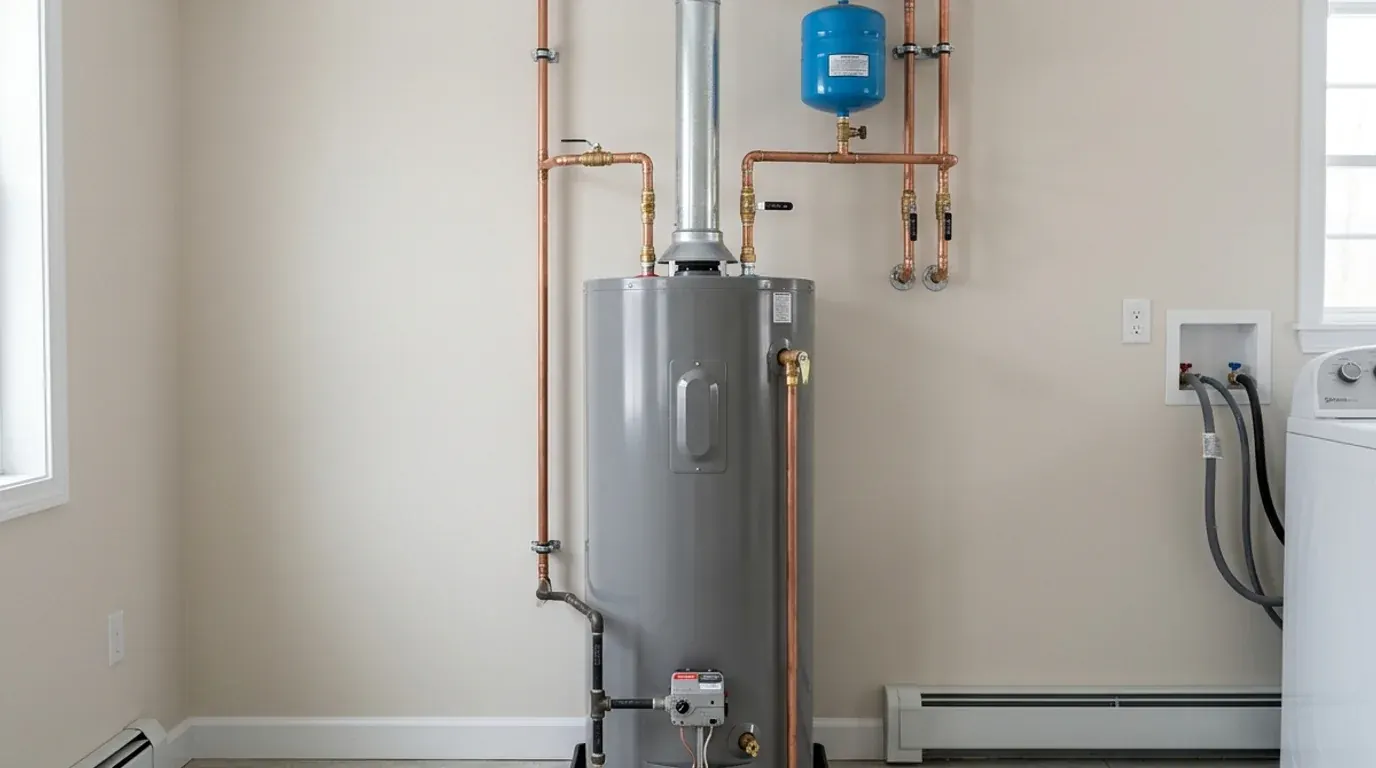
Persistent lukewarm water, weeping pressure relief valves, and rusty tank seams disrupt households across South Carolina. Plumbing specialists size and install code-compliant storage and tankless water heaters statewide to deliver dependable, energy-efficient hot water.
Aging water heaters that struggle to keep up with daily household routines place unnecessary stress on residential plumbing systems in South Carolina. When heating elements burn out repeatedly or gas control valves develop intermittent electrical faults, continuing to invest in piecemeal repairs becomes counterproductive. Installing a brand-new water heating system restores consistent water temperature and eliminates recurring plumbing service disruptions and costly diagnostic visits.
Groundwater entering residential plumbing systems in South Carolina drops significantly in temperature during colder seasons, demanding greater thermal rise from water heating burners and electrical elements. Properly engineered installations take these local climate conditions into account, ensuring that new high-recovery storage vessels or tankless condensing heat exchangers maintain steady output temperatures without throttling fixture water flow during peak morning routines.
Every completed installation throughout South Carolina includes thorough water pressure regulation, expansion bladder pre-charge testing, and complete safe removal of obsolete rusted equipment. Plumbing specialists verify gas line tight-seal integrity, test element resistance, and ensure property owners receive dependable, uninterrupted hot water tailored directly to their household needs.
Statewide Water Heater Installation & Replacement Services in South Carolina
Tank Water Heater Installation: Comprehensive residential storage water heater installation, tank sizing, code-compliant thermal expansion tanks, and safe fuel connections.
Tankless Water Heater Installation: High-efficiency on-demand tankless water heater installation, tank-to-tankless retrofits, gas supply line sizing, and exterior direct-vent routing.
Gas Water Heater Installation: Natural gas and propane storage water heater installation, gas supply line piping, sediment dirt legs, and combustion exhaust flue venting.
Electric & Hybrid Water Heater Installation: High-efficiency electric storage tank and hybrid heat pump water heater installation, dual-element wiring, disconnect switches, and condensate drainage.
Commercial Water Heater Installation: Heavy-duty commercial water heater installation, high-recovery storage tanks, multi-unit tankless arrays, and commercial building code compliance.
Installation & Commissioning Workflow
Upgrading your hot water system involves a systematic installation process designed to minimize household disruption across South Carolina. The installation specialist evaluates family usage habits, bathroom fixture counts, and incoming winter groundwater temperatures to establish correct gallon capacity, first-hour draw requirements, or tankless flow rate metrics.
On installation day, the plumbing crew removes the obsolete equipment, runs updated gas flex or electrical connections, and mounts a thermal expansion tank onto the cold supply line. After testing for gas leaks with electronic sniffers and verifying proper relief valve discharge, technicians calibrate thermostats to safe anti-scald operating levels.
Water heater equipment installation & replacements for leading plumbing manufacturers across South Carolina:
RheemA. O. SmithBradford WhiteRinnaiNavienState Water HeatersRuudBoschNoritzAmerican StandardLochinvarReliance
Verified Customer Reviews in South Carolina
"Switching from natural gas to an energy-efficient electric heat pump water heater required updating our mechanical space. The plumber coordinated with our electrician for the 240-volt 30-amp disconnect switch, mounted seismic strapping, and completed full commissioning tests before dinner, leaving our utility space spotless."
"Upgrading from a traditional storage tank to a high-recovery natural gas unit solved our constant morning hot water shortages. The installation crew re-piped the gas supply line to three-quarter inch, tested manifold pressure, and walked me through setting the mixing valve correctly."
"Dripping water from the temperature-pressure valve alerted us that our closed plumbing loop was running extreme hydraulic pressure. The installer mounted a new thermal expansion tank, replaced the old crusty gate valve with a quarter-turn brass ball valve, and set our water line to sixty PSI."
Water Heater Installation Service Areas in South Carolina
Plumbing installation specialists provide code-compliant water heater replacement to communities throughout South Carolina:
Building codes require corrosion-resistant metal or heavy-duty composite drain pans beneath any storage water heater installed in attics, interior utility closets, second-story mechanical rooms, or above finished living spaces. The pan must measure at least one and a half inches deep and feature a minimum three-quarter-inch drain line routed to an approved exterior drainage outlet. This channel catches minor valve leaks, internal tank sweating, or weeping fittings before ceilings and subfloors suffer costly moisture damage, mold growth, or structural drywall sagging.
Selecting the proper capacity depends directly on peak-hour hot water demand rather than general home square footage. A family running two showers while a high-efficiency washing machine fills requires a storage vessel with a high First Hour Rating. Plumbers calculate fixture flow rates across all bathrooms, evaluate utility closet or basement clearance, and determine whether a forty-gallon, fifty-gallon, or seventy-five-gallon vessel provides enough sustained hot water. Factoring in local winter groundwater temperatures ensures the heating elements or gas burner keep pace during consecutive morning routines without running lukewarm or depleting hot reserves prematurely.
Most standard like-for-like tank replacements require approximately two to four hours of mechanical labor. This window includes draining existing tank sediment, disassembling plumbing unions, updating gas or electrical connections, mounting a fresh thermal expansion tank, and commissioning burner combustion. Complex conversions from storage tanks to tankless units typically require a full working day to run upgraded gas supply lines, mount exterior direct venting, and connect dedicated condensate drains, ensuring complete adherence to all regional building and plumbing safety codes.
Hybrid heat pump models extract ambient thermal energy from surrounding air, requiring at least seven hundred cubic feet of unconfined utility room space or louvered closet doors for continuous airflow. Because the heat pump cools and dehumidifies surrounding air, technicians run dedicated condensate drain lines or install condensate removal pumps to route moisture outside. These ultra-efficient units slash electrical consumption by up to seventy percent while delivering dependable domestic hot water, making them ideal installations for unconditioned garages, oversized basements, and dedicated utility mechanical spaces.
Liquid propane operates at higher manifold gas pressures and delivers greater energy density per cubic foot than natural gas. Water heaters engineered for propane feature smaller burner orifices, calibrated gas control valve springs, and dedicated pilot assemblies. Operating a natural gas unit on propane without an approved factory conversion kit creates incomplete combustion, heavy soot accumulation, and hazardous carbon monoxide exhaust leaks, making proper manufacturer factory burner specification essential for rural or suburban homes.
Schedule Installation in SC
Contact our plumbing dispatch center to review system sizing options or schedule an on-site installation estimate.
Upgrade Your South Carolina Home to Dependable Hot Water
Aging tanks and fractured glass linings create severe water damage risks if ignored. Connect with our technical dispatch desk for expert sizing assistance and transparent, itemized replacement estimates.