Water Heater Installation in West Slope, OR
Lukewarm shower water, weeping relief valves, or active puddles beneath an aging tank signal the need for professional equipment replacement. Experienced plumbers size and install high-recovery storage tanks and on-demand systems in West Slope to deliver continuous, energy-efficient hot water.
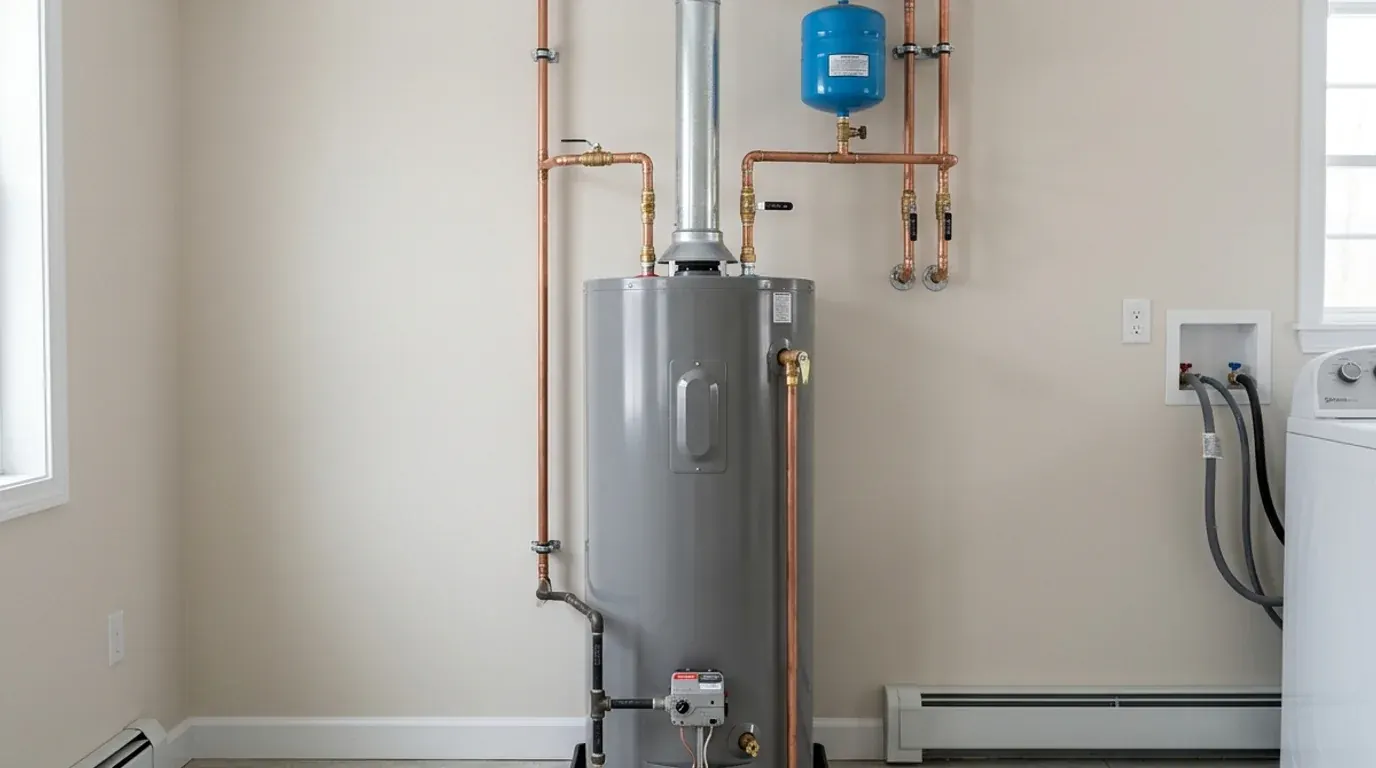
Energy-Efficient Water Heater Installation in West Slope
Damp floorboards, mineral crusting around plumbing unions, and lukewarm morning showers indicate your domestic water heating equipment requires replacement in West Slope. Outdated storage heaters waste substantial energy through inefficient heat transfer, calcified elements, and deteriorating fiberglass insulation jackets. Upgrading to a brand-new energy-efficient unit lowers monthly utility operating costs while ensuring reliable, piping-hot water at every fixture across your home.
Evaluating whether to install an electric storage tank, an atmospheric gas unit, or an on-demand tankless system depends on existing mechanical hookups in West Slope. Electric models require dedicated 240-volt 30-amp branch circuits with line-of-sight disconnect switches, while gas units demand proper chimney flue draft or power-vent piping through exterior rim joists. Technicians inspect existing utilities to recommend optimal equipment configurations tailored to your mechanical room layout.
Thorough plumbing installation standards in West Slope incorporate corrosion-resistant composite drain pans, dedicated relief valve discharge lines routed to safe gravity drainage, and rigid fuel connections. Property owners gain complete peace of mind knowing their new hot water system is fully commissioned, pressure-tested, and built for decades of reliable household performance.
Water Heater & Plumbing Services in West Slope
- Tank Water Heater Installation: Comprehensive residential storage water heater installation, tank sizing, code-compliant thermal expansion tanks, and safe fuel connections.
- Tankless Water Heater Installation: High-efficiency on-demand tankless water heater installation, tank-to-tankless retrofits, gas supply line sizing, and exterior direct-vent routing.
- Emergency Water Heater Installation & Replacement: Rapid emergency replacement for ruptured storage tanks, severe water flooding, cracked vessels, and complete domestic hot water outages.
- Gas Water Heater Installation: Natural gas and propane storage water heater installation, gas supply line piping, sediment dirt legs, and combustion exhaust flue venting.
- Electric & Hybrid Water Heater Installation: High-efficiency electric storage tank and hybrid heat pump water heater installation, dual-element wiring, disconnect switches, and condensate drainage.
- Commercial Water Heater Installation: Heavy-duty commercial water heater installation, high-recovery storage tanks, multi-unit tankless arrays, and commercial building code compliance.
Installation & Commissioning Workflow
Upgrading your hot water system involves a systematic installation process designed to minimize household disruption across West Slope. The installation specialist evaluates family usage habits, bathroom fixture counts, and incoming winter groundwater temperatures to establish correct gallon capacity, first-hour draw requirements, or tankless flow rate metrics.
On installation day, the plumbing crew removes the obsolete equipment, runs updated gas flex or electrical connections, and mounts a thermal expansion tank onto the cold supply line. After testing for gas leaks with electronic sniffers and verifying proper relief valve discharge, technicians calibrate thermostats to safe anti-scald operating levels.
What West Slope Property Owners Say
"Waking up to cold shower water revealed our ten-year-old electric tank had rusted out around the bottom seam. They dispatched a plumber who removed the failed unit without scratching our finished hallway walls and installed a modern high-recovery dual-element system with an intuitive digital thermostat."
"Converting our home to an on-demand tankless system eliminated the bulky storage tank that took up our entire basement closet. The crew drilled fresh direct-vent exhaust lines through the rim joist, wired in the 120-volt outlet, and verified our residential gas meter delivered sufficient BTUs under simultaneous furnace operation."
"Freezing winter winds repeatedly blew out the pilot light on our outdated atmospheric water heater. The installer recommended a direct-vent power-exhaust unit, ran sealed PVC pipe through our exterior side wall, and completely eliminated draft downdrafts."
Water Heater Installation Service Area: West Slope, OR
Water Heater FAQs in West Slope
Nearby Water Heater Service in Washington County
Upgrade Your West Slope Home to Reliable Hot Water
Corroded tank fittings and fractured glass linings quickly escalate into major water damage if ignored. Speak with our technical dispatchers for equipment sizing advice and itemized installation pricing.