Water Heater Installation in Red Cross, NC
Lukewarm shower water, weeping relief valves, or active puddles beneath an aging tank signal the need for professional equipment replacement. Experienced plumbers size and install high-recovery storage tanks and on-demand systems in Red Cross to deliver continuous, energy-efficient hot water.
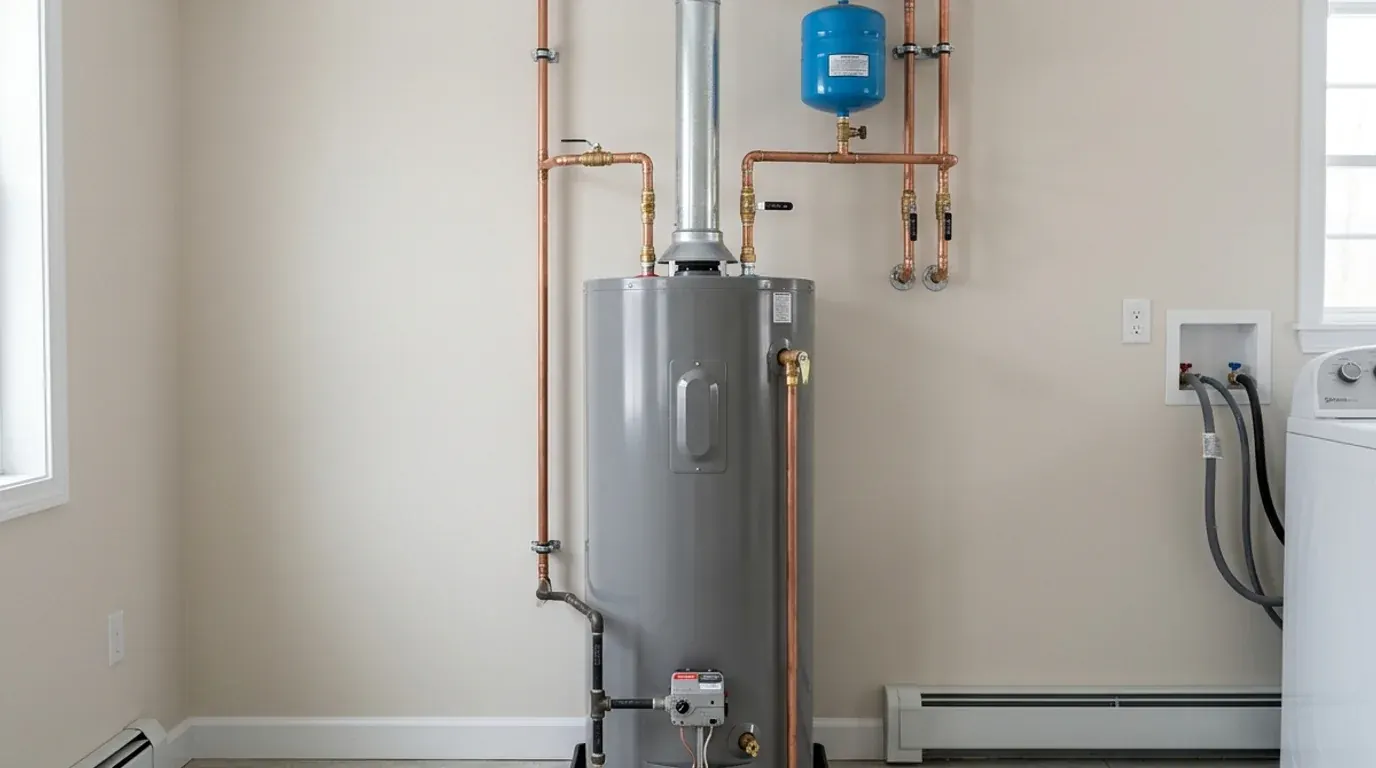
Tank & Tankless Water Heater Installation in Red Cross
Planning a water heater upgrade gives property owners in Red Cross the ideal opportunity to transition to ultra-efficient condensing tankless or hybrid heat pump technology. Traditional storage tanks constantly radiate standby heat through utility closet walls, driving up monthly gas or electric utility bills without adding comfort. Installing modern high-efficiency equipment provides on-demand hot water that heats only when fixtures open, reducing wasted energy while delivering continuous, uninterrupted flow for growing families.
Mechanical requirements for tankless conversions in Red Cross involve evaluating gas supply line diameter, electrical breaker capacity, and dedicated direct-vent exhaust routing through exterior walls. High-output tankless burners require three-quarter-inch or one-inch gas supply lines to achieve rated BTU outputs during cold winter months. Plumbing specialists calculate total pipe friction loss, verify meter regulator flow capacity, and inspect gas shutoff valves before mounting new wall-hung heating units.
Dedicated acid-neutralizing condensate drainage, brass isolation service valves with integrated flush ports, and digital remote temperature controllers are integrated into every high-efficiency setup across Red Cross. Property owners enjoy endless hot water, expanded utility room floor space, and long-term protection against sudden tank shell ruptures.
Water Heater & Plumbing Services in Red Cross
- Tank Water Heater Installation: Comprehensive residential storage water heater installation, tank sizing, code-compliant thermal expansion tanks, and safe fuel connections.
- Tankless Water Heater Installation: High-efficiency on-demand tankless water heater installation, tank-to-tankless retrofits, gas supply line sizing, and exterior direct-vent routing.
- Emergency Water Heater Installation & Replacement: Rapid emergency replacement for ruptured storage tanks, severe water flooding, cracked vessels, and complete domestic hot water outages.
- Gas Water Heater Installation: Natural gas and propane storage water heater installation, gas supply line piping, sediment dirt legs, and combustion exhaust flue venting.
- Electric & Hybrid Water Heater Installation: High-efficiency electric storage tank and hybrid heat pump water heater installation, dual-element wiring, disconnect switches, and condensate drainage.
- Commercial Water Heater Installation: Heavy-duty commercial water heater installation, high-recovery storage tanks, multi-unit tankless arrays, and commercial building code compliance.
Installation & Commissioning Workflow
Upgrading your hot water system involves a systematic installation process designed to minimize household disruption across Red Cross. The installation specialist evaluates family usage habits, bathroom fixture counts, and incoming winter groundwater temperatures to establish correct gallon capacity, first-hour draw requirements, or tankless flow rate metrics.
On installation day, the plumbing crew removes the obsolete equipment, runs updated gas flex or electrical connections, and mounts a thermal expansion tank onto the cold supply line. After testing for gas leaks with electronic sniffers and verifying proper relief valve discharge, technicians calibrate thermostats to safe anti-scald operating levels.
What Red Cross Property Owners Say
"Midway through our master bathroom remodel, we needed to relocate the water heater into the utility room. The plumbers extended the copper hot and cold trunks, ran rigid black iron gas piping, and verified draft clearance through the roof chimney flue in Red Cross."
"Winter groundwater temperatures dropped so low that our showers turned lukewarm after four minutes. The specialist calculated our household first-hour rating, recommended an appropriately sized seventy-five-gallon high-recovery atmospheric model, and hauled away the old undersized tank down our steep basement stairway."
"Waking up to cold shower water revealed our ten-year-old electric tank had rusted out around the bottom seam. They dispatched a plumber who removed the failed unit without scratching our finished hallway walls and installed a modern high-recovery dual-element system with an intuitive digital thermostat."
Water Heater Installation Service Area: Red Cross, NC
Water Heater FAQs in Red Cross
Nearby Water Heater Service in Stanly County
Upgrade Your Red Cross Home to Reliable Hot Water
Corroded tank fittings and fractured glass linings quickly escalate into major water damage if ignored. Speak with our technical dispatchers for equipment sizing advice and itemized installation pricing.