Water Heater Installation in Crouse, NC
Lukewarm shower water, weeping relief valves, or active puddles beneath an aging tank signal the need for professional equipment replacement. Experienced plumbers size and install high-recovery storage tanks and on-demand systems in Crouse to deliver continuous, energy-efficient hot water.
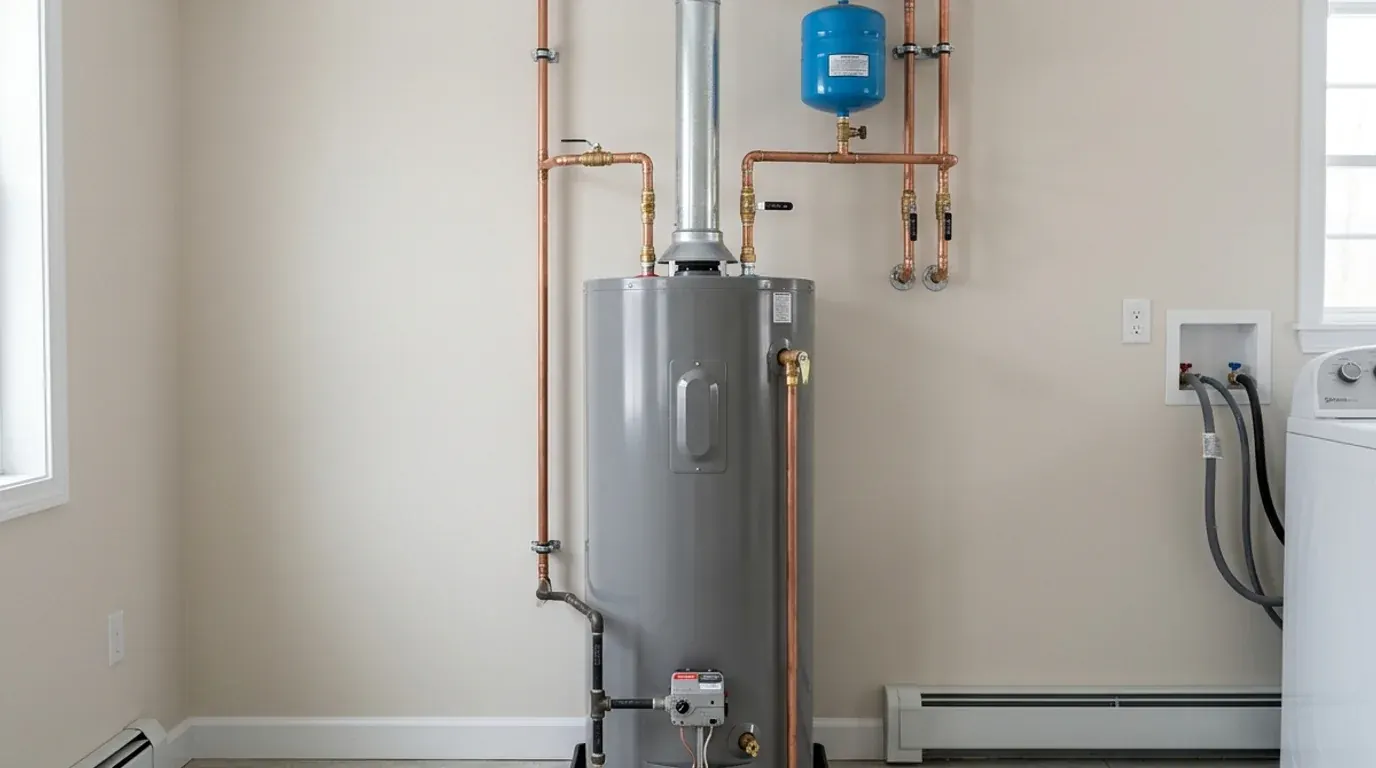
Residential Water Heater Installation in Crouse
Experiencing cold showers or discovering water pooling beneath an aging domestic storage tank signals the urgent need for professional water heating equipment replacement in Crouse. Storage tanks approaching a decade of service endure continuous thermal expansion stress and aggressive internal electrochemical corrosion that eventually breach the glass-lined steel pressure vessel. Upgrading to a properly engineered storage tank or high-efficiency on-demand tankless system restores steady domestic hot water delivery while safeguarding your utility room, finished basement drywall, and subfloor structures against catastrophic flooding damage.
Choosing the right water heater requires evaluating peak household hot water demand, utility fuel supply lines, and regional winter groundwater temperatures across Crouse. An undersized unit runs out of hot water halfway through morning routines, while an oversized model wastes valuable monthly utility dollars keeping excess gallons hot throughout the day. Modern high-efficiency systems incorporate advanced atmospheric or power burner draft blowers, thicker non-CFC cyclopentane foam insulation jackets, and commercial-grade incoloy heating elements to maximize First Hour Ratings.
Every new water heater setup in Crouse includes code-compliant thermal expansion tanks, full-port brass shutoff valves, and properly routed temperature-pressure relief lines. Technicians calibrate thermostat controls, test static fuel pressures, and verify combustion flue ventilation to ensure your domestic plumbing operates at peak thermal efficiency and safety from day one.
Water Heater & Plumbing Services in Crouse
- Tank Water Heater Installation: Comprehensive residential storage water heater installation, tank sizing, code-compliant thermal expansion tanks, and safe fuel connections.
- Tankless Water Heater Installation: High-efficiency on-demand tankless water heater installation, tank-to-tankless retrofits, gas supply line sizing, and exterior direct-vent routing.
- Emergency Water Heater Installation & Replacement: Rapid emergency replacement for ruptured storage tanks, severe water flooding, cracked vessels, and complete domestic hot water outages.
- Gas Water Heater Installation: Natural gas and propane storage water heater installation, gas supply line piping, sediment dirt legs, and combustion exhaust flue venting.
- Electric & Hybrid Water Heater Installation: High-efficiency electric storage tank and hybrid heat pump water heater installation, dual-element wiring, disconnect switches, and condensate drainage.
- Commercial Water Heater Installation: Heavy-duty commercial water heater installation, high-recovery storage tanks, multi-unit tankless arrays, and commercial building code compliance.
Installation & Commissioning Workflow
Arranging water heater installation starts with a straightforward phone intake where our dispatch staff records your equipment fuel source, current tank capacity, and household fixture demands in Crouse. A plumbing specialist arrives at your property to inspect utility clearances, measure incoming municipal water pressure, and review storage tank versus tankless options tailored to your layout, family size, and domestic hot water demands.
Before mechanical work begins, you receive a transparent itemized quote detailing equipment specifications, plumbing fittings, electrical updates, and tank disposal fees. The installation crew shuts off utility feeds, drains sediment slurry from the old vessel, mounts the new water heater with code-compliant expansion and relief piping, and commissions the unit, testing flame sensor response, manifold gas pressure, and element electrical continuity for peak thermal performance.
What Crouse Property Owners Say
"Moving into an older home in Crouse revealed an unpermitted water heater installation that lacked a discharge pipe on the relief valve. Their team brought everything up to current safety code, adding copper T&P drop piping, an expansion bladder, and dielectric isolation unions."
"High municipal water pressure spikes had blown out the internal glass lining of our previous water heater. Along with installing our new 50-gallon tank, the installer plumbed in a heavy-duty pressure reducing valve that stabilized our entire domestic system at fifty-five PSI."
"Dripping water from the temperature-pressure valve alerted us that our closed plumbing loop was running extreme hydraulic pressure. The installer mounted a new thermal expansion tank, replaced the old crusty gate valve with a quarter-turn brass ball valve, and set our water line to sixty PSI."
Water Heater Installation Service Area: Crouse, NC
Water Heater FAQs in Crouse
Nearby Water Heater Service in Lincoln County
Upgrade Your Crouse Home to Reliable Hot Water
Corroded tank fittings and fractured glass linings quickly escalate into major water damage if ignored. Speak with our technical dispatchers for equipment sizing advice and itemized installation pricing.