Water Heater Installation in Morehouse, MO
Lukewarm shower water, weeping relief valves, or active puddles beneath an aging tank signal the need for professional equipment replacement. Experienced plumbers size and install high-recovery storage tanks and on-demand systems in Morehouse to deliver continuous, energy-efficient hot water.
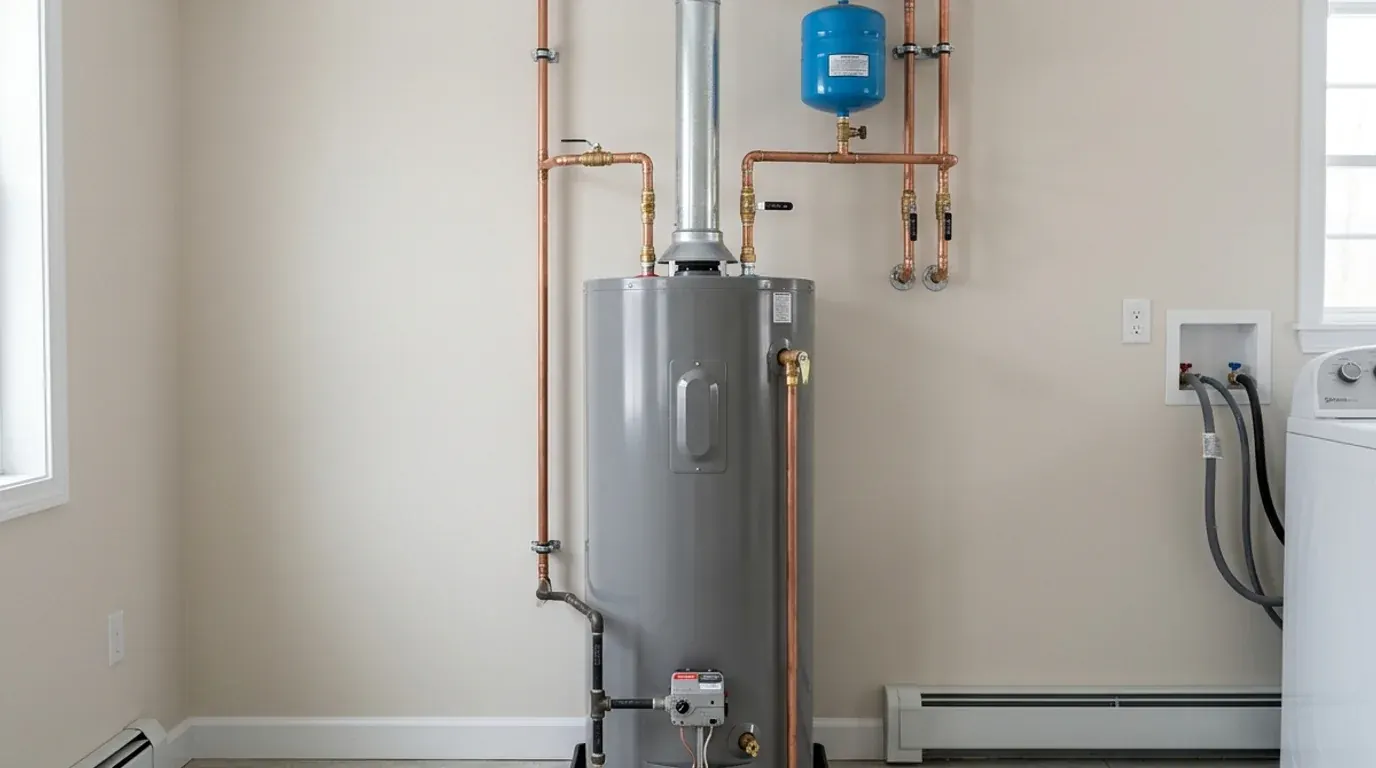
Residential Water Heater Installation in Morehouse
Aging water heaters that struggle to keep up with daily household routines place unnecessary stress on residential plumbing systems in Morehouse. When heating elements burn out repeatedly or gas control valves develop intermittent electrical faults, continuing to invest in piecemeal repairs becomes counterproductive. Installing a brand-new water heating system restores consistent water temperature and eliminates recurring plumbing service disruptions and costly diagnostic visits.
Groundwater entering residential plumbing systems in Morehouse drops significantly in temperature during colder seasons, demanding greater thermal rise from water heating burners and electrical elements. Properly engineered installations take these local climate conditions into account, ensuring that new high-recovery storage vessels or tankless condensing heat exchangers maintain steady output temperatures without throttling fixture water flow during peak morning routines.
Every completed installation throughout Morehouse includes thorough water pressure regulation, expansion bladder pre-charge testing, and complete safe removal of obsolete rusted equipment. Plumbing specialists verify gas line tight-seal integrity, test element resistance, and ensure property owners receive dependable, uninterrupted hot water tailored directly to their household needs.
Water Heater & Plumbing Services in Morehouse
- Tank Water Heater Installation: Comprehensive residential storage water heater installation, tank sizing, code-compliant thermal expansion tanks, and safe fuel connections.
- Tankless Water Heater Installation: High-efficiency on-demand tankless water heater installation, tank-to-tankless retrofits, gas supply line sizing, and exterior direct-vent routing.
- Emergency Water Heater Installation & Replacement: Rapid emergency replacement for ruptured storage tanks, severe water flooding, cracked vessels, and complete domestic hot water outages.
- Gas Water Heater Installation: Natural gas and propane storage water heater installation, gas supply line piping, sediment dirt legs, and combustion exhaust flue venting.
- Electric & Hybrid Water Heater Installation: High-efficiency electric storage tank and hybrid heat pump water heater installation, dual-element wiring, disconnect switches, and condensate drainage.
- Commercial Water Heater Installation: Heavy-duty commercial water heater installation, high-recovery storage tanks, multi-unit tankless arrays, and commercial building code compliance.
Installation & Commissioning Workflow
Replacing an outdated or leaking water heater starts with an in-depth hydraulic and space evaluation in Morehouse. The plumbing technician checks main line incoming water pressure, inspects chimney flue lining or exterior wall clearance for direct-venting, and presents transparent, code-compliant equipment replacement options tailored to your utility budget.
Following proposal approval, the crew drains and hauls away the failed vessel, installs the new water heater with seismic strapping and dielectric isolation fittings, and fills the tank to purge air from household distribution lines. Full combustion testing and electrical continuity checks guarantee dependable, leak-free hot water from the moment installation finishes.
What Morehouse Property Owners Say
"High municipal water pressure spikes had blown out the internal glass lining of our previous water heater. Along with installing our new 50-gallon tank, the installer plumbed in a heavy-duty pressure reducing valve that stabilized our entire domestic system at fifty-five PSI."
"Moving into an older home in Morehouse revealed an unpermitted water heater installation that lacked a discharge pipe on the relief valve. Their team brought everything up to current safety code, adding copper T&P drop piping, an expansion bladder, and dielectric isolation unions."
"Unusual rumbling and boiling noises coming from our utility closet sounded like gravel churning inside a barrel. The technician confirmed calcium buildup had calcified across the bottom floor, explaining that replacement was safer than risking tank rupture on a thirteen-year-old appliance."
Water Heater Installation Service Area: Morehouse, MO
Water Heater FAQs in Morehouse
Nearby Water Heater Service in New Madrid County
Upgrade Your Morehouse Home to Reliable Hot Water
Corroded tank fittings and fractured glass linings quickly escalate into major water damage if ignored. Speak with our technical dispatchers for equipment sizing advice and itemized installation pricing.