Water Heater Installation in Linn, MO
Lukewarm shower water, weeping relief valves, or active puddles beneath an aging tank signal the need for professional equipment replacement. Experienced plumbers size and install high-recovery storage tanks and on-demand systems in Linn to deliver continuous, energy-efficient hot water.
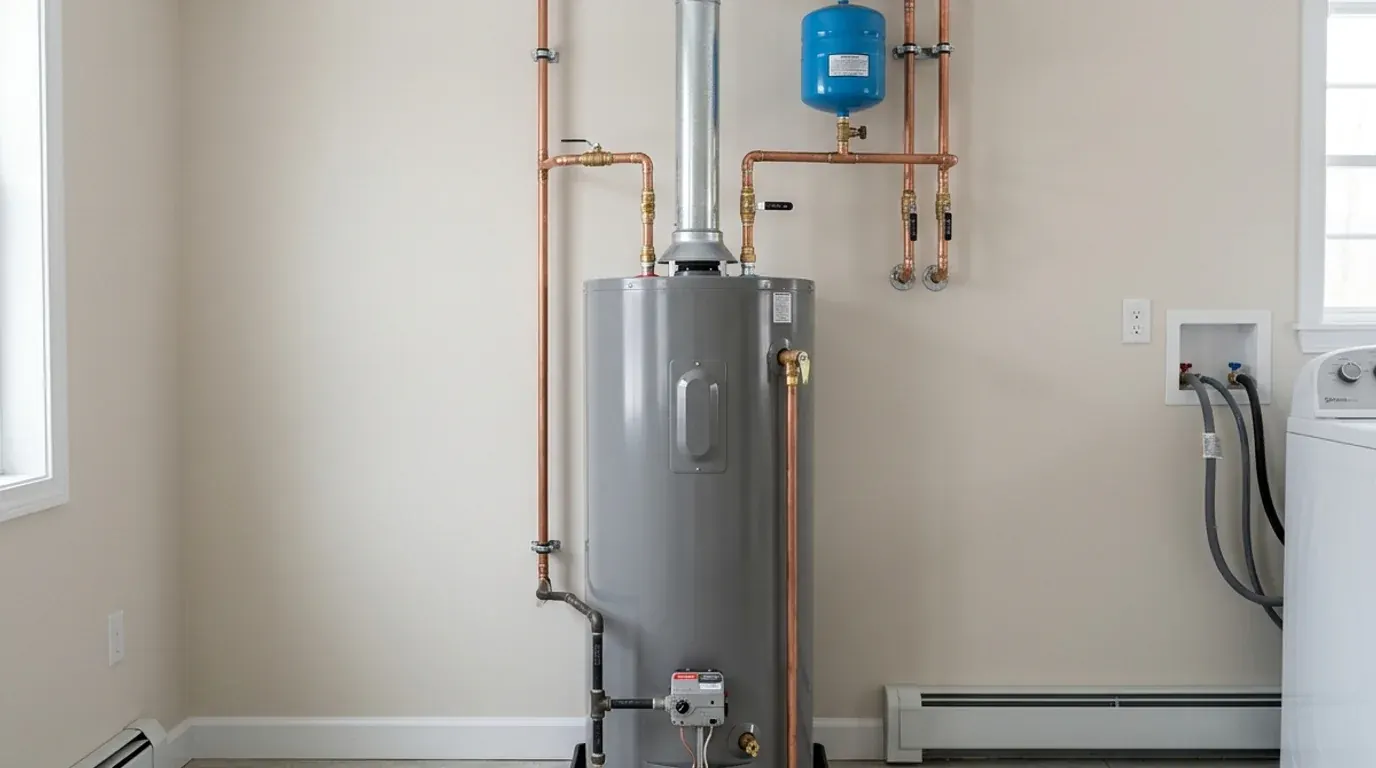
Residential Water Heater Installation in Linn
Damp floorboards, mineral crusting around plumbing unions, and lukewarm morning showers indicate your domestic water heating equipment requires replacement in Linn. Outdated storage heaters waste substantial energy through inefficient heat transfer, calcified elements, and deteriorating fiberglass insulation jackets. Upgrading to a brand-new energy-efficient unit lowers monthly utility operating costs while ensuring reliable, piping-hot water at every fixture across your home.
Evaluating whether to install an electric storage tank, an atmospheric gas unit, or an on-demand tankless system depends on existing mechanical hookups in Linn. Electric models require dedicated 240-volt 30-amp branch circuits with line-of-sight disconnect switches, while gas units demand proper chimney flue draft or power-vent piping through exterior rim joists. Technicians inspect existing utilities to recommend optimal equipment configurations tailored to your mechanical room layout.
Thorough plumbing installation standards in Linn incorporate corrosion-resistant composite drain pans, dedicated relief valve discharge lines routed to safe gravity drainage, and rigid fuel connections. Property owners gain complete peace of mind knowing their new hot water system is fully commissioned, pressure-tested, and built for decades of reliable household performance.
Water Heater & Plumbing Services in Linn
- Tank Water Heater Installation: Comprehensive residential storage water heater installation, tank sizing, code-compliant thermal expansion tanks, and safe fuel connections.
- Tankless Water Heater Installation: High-efficiency on-demand tankless water heater installation, tank-to-tankless retrofits, gas supply line sizing, and exterior direct-vent routing.
- Emergency Water Heater Installation & Replacement: Rapid emergency replacement for ruptured storage tanks, severe water flooding, cracked vessels, and complete domestic hot water outages.
- Gas Water Heater Installation: Natural gas and propane storage water heater installation, gas supply line piping, sediment dirt legs, and combustion exhaust flue venting.
- Electric & Hybrid Water Heater Installation: High-efficiency electric storage tank and hybrid heat pump water heater installation, dual-element wiring, disconnect switches, and condensate drainage.
- Commercial Water Heater Installation: Heavy-duty commercial water heater installation, high-recovery storage tanks, multi-unit tankless arrays, and commercial building code compliance.
Installation & Commissioning Workflow
Replacing an outdated or leaking water heater starts with an in-depth hydraulic and space evaluation in Linn. The plumbing technician checks main line incoming water pressure, inspects chimney flue lining or exterior wall clearance for direct-venting, and presents transparent, code-compliant equipment replacement options tailored to your utility budget.
Following proposal approval, the crew drains and hauls away the failed vessel, installs the new water heater with seismic strapping and dielectric isolation fittings, and fills the tank to purge air from household distribution lines. Full combustion testing and electrical continuity checks guarantee dependable, leak-free hot water from the moment installation finishes.
What Linn Property Owners Say
"Midway through our master bathroom remodel, we needed to relocate the water heater into the utility room. The plumbers extended the copper hot and cold trunks, ran rigid black iron gas piping, and verified draft clearance through the roof chimney flue in Linn."
"Switching from natural gas to an energy-efficient electric heat pump water heater required updating our mechanical space. The plumber coordinated with our electrician for the 240-volt 30-amp disconnect switch, mounted seismic strapping, and completed full commissioning tests before dinner, leaving our utility space spotless."
"Upgrading from a traditional storage tank to a high-recovery natural gas unit solved our constant morning hot water shortages. The installation crew re-piped the gas supply line to three-quarter inch, tested manifold pressure, and walked me through setting the mixing valve correctly."
Water Heater Installation Service Area: Linn, MO
Water Heater FAQs in Linn
Nearby Water Heater Service in Osage County
Upgrade Your Linn Home to Reliable Hot Water
Corroded tank fittings and fractured glass linings quickly escalate into major water damage if ignored. Speak with our technical dispatchers for equipment sizing advice and itemized installation pricing.