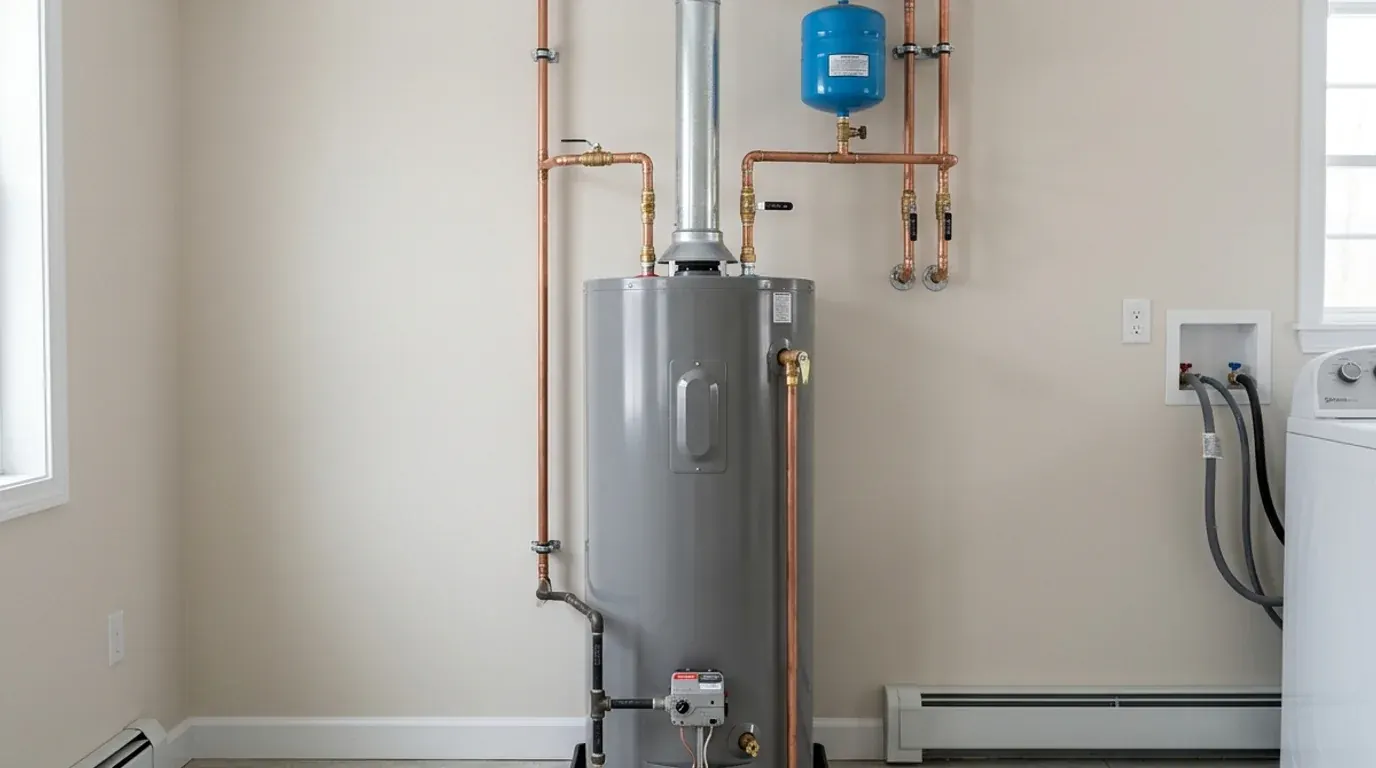
Persistent lukewarm water, weeping pressure relief valves, and rusty tank seams disrupt households across Kentucky. Plumbing specialists size and install code-compliant storage and tankless water heaters statewide to deliver dependable, energy-efficient hot water.
Tank & Tankless Water Heater Installation in Kentucky
Experiencing cold showers or discovering water pooling beneath an aging domestic storage tank signals the urgent need for professional water heating equipment replacement in Kentucky. Storage tanks approaching a decade of service endure continuous thermal expansion stress and aggressive internal electrochemical corrosion that eventually breach the glass-lined steel pressure vessel. Upgrading to a properly engineered storage tank or high-efficiency on-demand tankless system restores steady domestic hot water delivery while safeguarding your utility room, finished basement drywall, and subfloor structures against catastrophic flooding damage.
Choosing the right water heater requires evaluating peak household hot water demand, utility fuel supply lines, and regional winter groundwater temperatures across Kentucky. An undersized unit runs out of hot water halfway through morning routines, while an oversized model wastes valuable monthly utility dollars keeping excess gallons hot throughout the day. Modern high-efficiency systems incorporate advanced atmospheric or power burner draft blowers, thicker non-CFC cyclopentane foam insulation jackets, and commercial-grade incoloy heating elements to maximize First Hour Ratings.
Every new water heater setup in Kentucky includes code-compliant thermal expansion tanks, full-port brass shutoff valves, and properly routed temperature-pressure relief lines. Technicians calibrate thermostat controls, test static fuel pressures, and verify combustion flue ventilation to ensure your domestic plumbing operates at peak thermal efficiency and safety from day one.
Statewide Water Heater Installation & Replacement Services in Kentucky
Tank Water Heater Installation: Comprehensive residential storage water heater installation, tank sizing, code-compliant thermal expansion tanks, and safe fuel connections.
Tankless Water Heater Installation: High-efficiency on-demand tankless water heater installation, tank-to-tankless retrofits, gas supply line sizing, and exterior direct-vent routing.
Gas Water Heater Installation: Natural gas and propane storage water heater installation, gas supply line piping, sediment dirt legs, and combustion exhaust flue venting.
Electric & Hybrid Water Heater Installation: High-efficiency electric storage tank and hybrid heat pump water heater installation, dual-element wiring, disconnect switches, and condensate drainage.
Commercial Water Heater Installation: Heavy-duty commercial water heater installation, high-recovery storage tanks, multi-unit tankless arrays, and commercial building code compliance.
Installation & Commissioning Workflow
Replacing an outdated or leaking water heater starts with an in-depth hydraulic and space evaluation in Kentucky. The plumbing technician checks main line incoming water pressure, inspects chimney flue lining or exterior wall clearance for direct-venting, and presents transparent, code-compliant equipment replacement options tailored to your utility budget.
Following proposal approval, the crew drains and hauls away the failed vessel, installs the new water heater with seismic strapping and dielectric isolation fittings, and fills the tank to purge air from household distribution lines. Full combustion testing and electrical continuity checks guarantee dependable, leak-free hot water from the moment installation finishes.
Water heater equipment installation & replacements for leading plumbing manufacturers across Kentucky:
RheemA. O. SmithBradford WhiteRinnaiNavienState Water HeatersRuudBoschNoritzAmerican StandardLochinvarReliance
Verified Customer Reviews in Kentucky
"Water started leaking through our garage ceiling from an aging tank located directly above in the attic. The technician guided me through shutting the cold intake valve, brought up a replacement 50-gallon tank with a reinforced drain pan, and ran dedicated PVC drainage to the exterior in Kentucky."
"Upgrading from a traditional storage tank to a high-recovery natural gas unit solved our constant morning hot water shortages. The installation crew re-piped the gas supply line to three-quarter inch, tested manifold pressure, and walked me through setting the mixing valve correctly."
"Midway through our master bathroom remodel, we needed to relocate the water heater into the utility room. The plumbers extended the copper hot and cold trunks, ran rigid black iron gas piping, and verified draft clearance through the roof chimney flue in Kentucky."
Water Heater Installation Service Areas in Kentucky
Plumbing installation specialists provide code-compliant water heater replacement to communities throughout Kentucky:
Closed plumbing systems fitted with check valves, backflow preventers, or pressure-reducing valves trap expanding water volume as the storage vessel heats. Because liquid water cannot compress, thermal expansion drives internal water pressure past safe limits, causing temperature and pressure relief valves to weep and fatiguing internal tank weld seams. Threading a pre-pressurized expansion tank with a flexible butyl rubber diaphragm onto the cold supply line cushions this surge, stabilizes domestic line pressure, and protects manufacturer tank warranty coverage against premature hydraulic stress ruptures.
Building codes require corrosion-resistant metal or heavy-duty composite drain pans beneath any storage water heater installed in attics, interior utility closets, second-story mechanical rooms, or above finished living spaces. The pan must measure at least one and a half inches deep and feature a minimum three-quarter-inch drain line routed to an approved exterior drainage outlet. This channel catches minor valve leaks, internal tank sweating, or weeping fittings before ceilings and subfloors suffer costly moisture damage, mold growth, or structural drywall sagging.
Selecting the proper capacity depends directly on peak-hour hot water demand rather than general home square footage. A family running two showers while a high-efficiency washing machine fills requires a storage vessel with a high First Hour Rating. Plumbers calculate fixture flow rates across all bathrooms, evaluate utility closet or basement clearance, and determine whether a forty-gallon, fifty-gallon, or seventy-five-gallon vessel provides enough sustained hot water. Factoring in local winter groundwater temperatures ensures the heating elements or gas burner keep pace during consecutive morning routines without running lukewarm or depleting hot reserves prematurely.
Standard atmospheric storage water heaters consume roughly thirty-five thousand to forty thousand BTUs per hour, whereas whole-home tankless units demand between one hundred sixty thousand and one hundred ninety-nine thousand BTUs. That substantial surge in fuel demand usually mandates replacing existing half-inch gas piping with three-quarter-inch or one-inch black iron pipe from the gas meter. Plumbers calculate total pipe length, fitting friction loss, and meter regulator capacity to eliminate gas starvation, ensuring the burner ignites reliably during peak winter demand without starving nearby gas furnaces.
First Hour Rating measures the precise number of gallons of hot water an appliance supplies during one hour of peak household usage, starting with a fully heated tank. This figure accounts for total storage volume combined with the burner or element recovery speed per hour. Plumbers calculate this rating against simultaneous morning routines—such as back-to-back showers and dishwasher cycles—so that water temperatures remain constant without running tepid halfway through morning preparations, matching the appliance directly to family lifestyle demands.
Schedule Installation in KY
Contact our plumbing dispatch center to review system sizing options or schedule an on-site installation estimate.
Upgrade Your Kentucky Home to Dependable Hot Water
Aging tanks and fractured glass linings create severe water damage risks if ignored. Connect with our technical dispatch desk for expert sizing assistance and transparent, itemized replacement estimates.