Water Heater Installation in State Center, IA
Lukewarm shower water, weeping relief valves, or active puddles beneath an aging tank signal the need for professional equipment replacement. Experienced plumbers size and install high-recovery storage tanks and on-demand systems in State Center to deliver continuous, energy-efficient hot water.
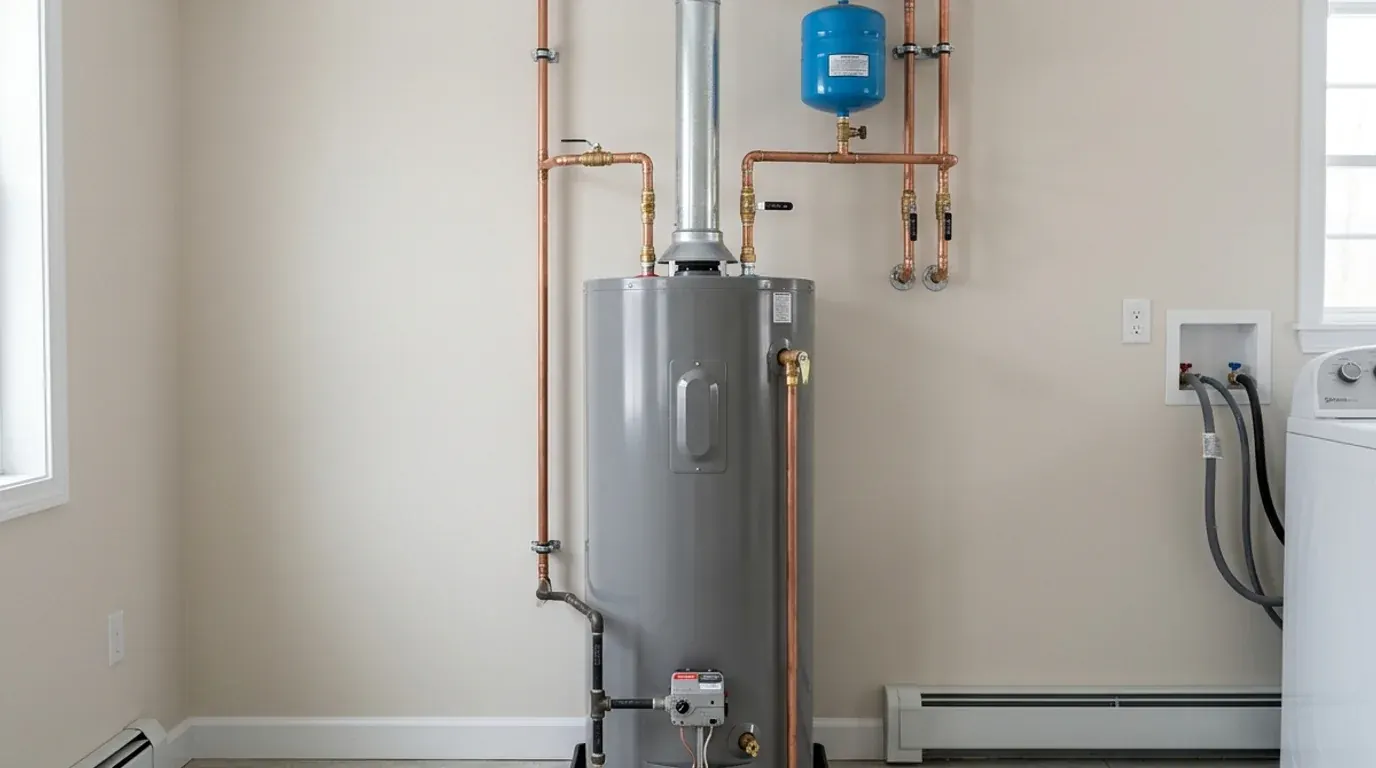
Professional Water Heater Installation in State Center
Sudden tank failure and active basement weeping demand prompt, organized water heater replacement across State Center neighborhoods. When internal porcelain glass linings fracture under excessive hydraulic pressure, water breaches the outer insulation jacket and cannot be patched safely. Replacing the compromised storage vessel with an energy-efficient modern system restores vital household sanitation, personal hygiene, and cooking functions without prolonged delays or water damage.
Household hot water demands vary dramatically based on bathroom fixture flow rates, family schedules, and simultaneous appliance usage patterns in State Center. Professional sizing evaluations calculate First Hour Ratings for storage tanks and gallons-per-minute flow requirements for on-demand systems. Selecting high-recovery heating elements or high-BTU gas burners ensures continuous hot water even during periods of heavy morning household demand when multiple fixtures run at once.
Installation procedures across State Center include replacing brittle plastic drain fittings with heavy-duty full-port brass valves and securing expansion tanks to absorb closed-loop thermal expansion. Technicians inspect burner orifices, calibrate mixing valves to safe anti-scald temperatures, and ensure all work adheres strictly to regional plumbing and building safety codes.
Water Heater & Plumbing Services in State Center
- Tank Water Heater Installation: Comprehensive residential storage water heater installation, tank sizing, code-compliant thermal expansion tanks, and safe fuel connections.
- Tankless Water Heater Installation: High-efficiency on-demand tankless water heater installation, tank-to-tankless retrofits, gas supply line sizing, and exterior direct-vent routing.
- Emergency Water Heater Installation & Replacement: Rapid emergency replacement for ruptured storage tanks, severe water flooding, cracked vessels, and complete domestic hot water outages.
- Gas Water Heater Installation: Natural gas and propane storage water heater installation, gas supply line piping, sediment dirt legs, and combustion exhaust flue venting.
- Electric & Hybrid Water Heater Installation: High-efficiency electric storage tank and hybrid heat pump water heater installation, dual-element wiring, disconnect switches, and condensate drainage.
- Commercial Water Heater Installation: Heavy-duty commercial water heater installation, high-recovery storage tanks, multi-unit tankless arrays, and commercial building code compliance.
Installation & Commissioning Workflow
Scheduling water heater replacement connects you directly with technical dispatchers who analyze your home hot water symptoms and schedule an on-site installation assessment in State Center. An experienced installer arrives with specialized sizing tools to evaluate municipal water pressure, electrical conduit integrity, and gas supply line sizing.
You receive a clear, upfront proposal without hidden surcharges before mechanical work starts. The technician safely disconnects utilities, removes the old tank, installs your new high-efficiency water heater with a dedicated drain pan, and verifies that temperature and pressure relief valves, expansion tanks, and burner controls function flawlessly.
What State Center Property Owners Say
"Severe sulfur smells and brownish water from hot taps made bathing miserable in State Center. Rather than just flushing the tank, the installer explained that hard local groundwater had dissolved the original anode rod down to the wire, so he installed a fresh aluminum-zinc rod and sanitized the chamber."
"Freezing winter winds repeatedly blew out the pilot light on our outdated atmospheric water heater. The installer recommended a direct-vent power-exhaust unit, ran sealed PVC pipe through our exterior side wall, and completely eliminated draft downdrafts."
"Moving into an older home in State Center revealed an unpermitted water heater installation that lacked a discharge pipe on the relief valve. Their team brought everything up to current safety code, adding copper T&P drop piping, an expansion bladder, and dielectric isolation unions."
Water Heater Installation Service Area: State Center, IA
Water Heater FAQs in State Center
Nearby Water Heater Service in Marshall County
Upgrade Your State Center Home to Reliable Hot Water
Corroded tank fittings and fractured glass linings quickly escalate into major water damage if ignored. Speak with our technical dispatchers for equipment sizing advice and itemized installation pricing.