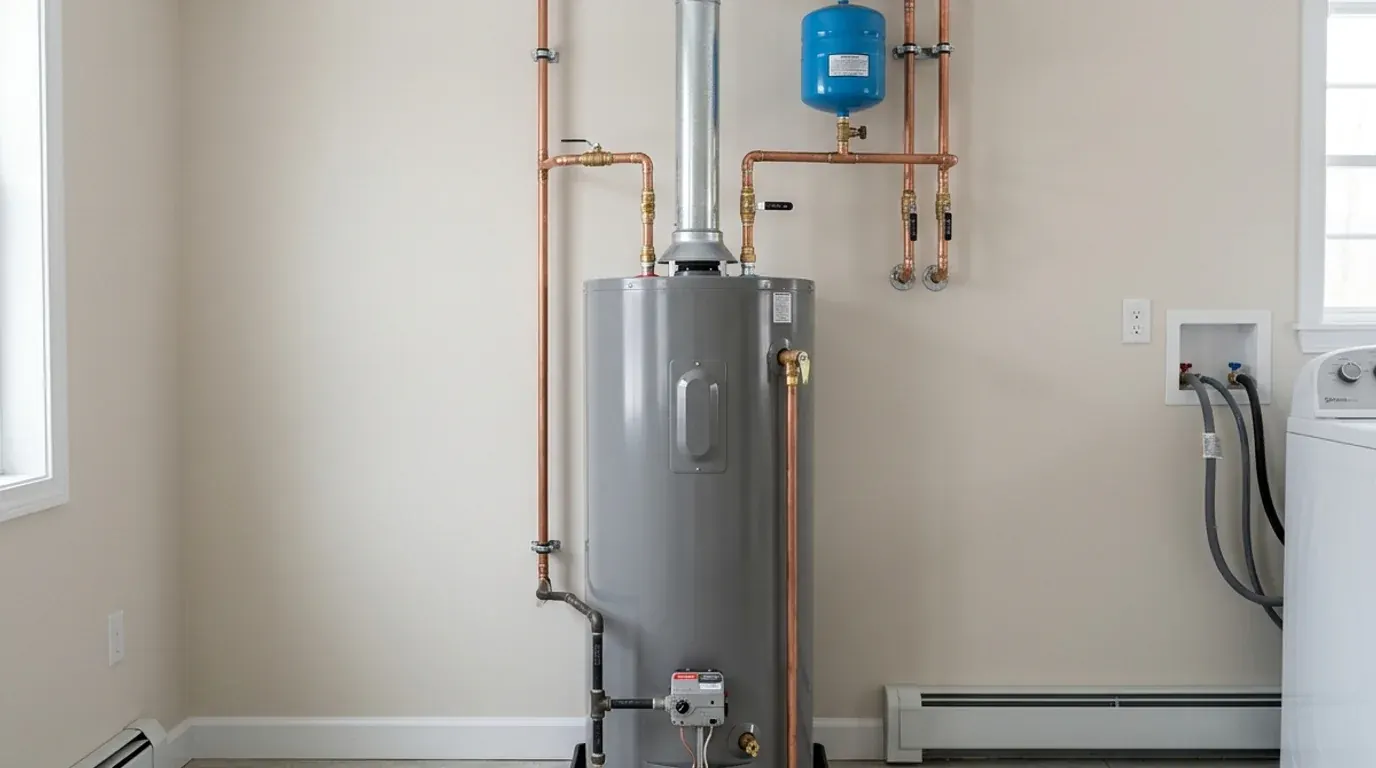
Persistent lukewarm water, weeping pressure relief valves, and rusty tank seams disrupt households across Connecticut. Plumbing specialists size and install code-compliant storage and tankless water heaters statewide to deliver dependable, energy-efficient hot water.
Aging water heaters that struggle to keep up with daily household routines place unnecessary stress on residential plumbing systems in Connecticut. When heating elements burn out repeatedly or gas control valves develop intermittent electrical faults, continuing to invest in piecemeal repairs becomes counterproductive. Installing a brand-new water heating system restores consistent water temperature and eliminates recurring plumbing service disruptions and costly diagnostic visits.
Groundwater entering residential plumbing systems in Connecticut drops significantly in temperature during colder seasons, demanding greater thermal rise from water heating burners and electrical elements. Properly engineered installations take these local climate conditions into account, ensuring that new high-recovery storage vessels or tankless condensing heat exchangers maintain steady output temperatures without throttling fixture water flow during peak morning routines.
Every completed installation throughout Connecticut includes thorough water pressure regulation, expansion bladder pre-charge testing, and complete safe removal of obsolete rusted equipment. Plumbing specialists verify gas line tight-seal integrity, test element resistance, and ensure property owners receive dependable, uninterrupted hot water tailored directly to their household needs.
Statewide Water Heater Installation & Replacement Services in Connecticut
Tank Water Heater Installation: Comprehensive residential storage water heater installation, tank sizing, code-compliant thermal expansion tanks, and safe fuel connections.
Tankless Water Heater Installation: High-efficiency on-demand tankless water heater installation, tank-to-tankless retrofits, gas supply line sizing, and exterior direct-vent routing.
Gas Water Heater Installation: Natural gas and propane storage water heater installation, gas supply line piping, sediment dirt legs, and combustion exhaust flue venting.
Electric & Hybrid Water Heater Installation: High-efficiency electric storage tank and hybrid heat pump water heater installation, dual-element wiring, disconnect switches, and condensate drainage.
Commercial Water Heater Installation: Heavy-duty commercial water heater installation, high-recovery storage tanks, multi-unit tankless arrays, and commercial building code compliance.
Installation & Commissioning Workflow
Scheduling water heater replacement connects you directly with technical dispatchers who analyze your home hot water symptoms and schedule an on-site installation assessment in Connecticut. An experienced installer arrives with specialized sizing tools to evaluate municipal water pressure, electrical conduit integrity, and gas supply line sizing.
You receive a clear, upfront proposal without hidden surcharges before mechanical work starts. The technician safely disconnects utilities, removes the old tank, installs your new high-efficiency water heater with a dedicated drain pan, and verifies that temperature and pressure relief valves, expansion tanks, and burner controls function flawlessly.
Water heater equipment installation & replacements for leading plumbing manufacturers across Connecticut:
RheemA. O. SmithBradford WhiteRinnaiNavienState Water HeatersRuudBoschNoritzAmerican StandardLochinvarReliance
Verified Customer Reviews in Connecticut
"Installing a hybrid heat pump water heater in our garage slashed our monthly electric utility consumption substantially. The plumbing technician calculated room cubic footage for proper airflow, routed a clear condensate drain to the flowerbed, and showed us how to manage vacation modes on the panel."
"Living in a townhome with strict HOA plumbing rules made tank replacement stressful until this crew stepped in. They brought the required aluminum drain pan, installed seismic restraint strapping into the wall studs, and filed the municipal plumbing inspection paperwork for Connecticut."
"Upgrading from a traditional storage tank to a high-recovery natural gas unit solved our constant morning hot water shortages. The installation crew re-piped the gas supply line to three-quarter inch, tested manifold pressure, and walked me through setting the mixing valve correctly."
Water Heater Installation Service Areas in Connecticut
Plumbing installation specialists provide code-compliant water heater replacement to communities throughout Connecticut:
Confined utility closets lack sufficient oxygen to feed gas burners safely, risking incomplete combustion and burner flame smothering. Building codes require two permanent air openings connecting directly to outdoor air or well-ventilated attic spaces—one located within twelve inches of the ceiling and one within twelve inches of the floor. Installing louvered doors or dedicated fresh air intake ducts maintains safe oxygen levels for clean combustion, preventing noxious exhaust fumes from spilling into living quarters.
Standard atmospheric storage water heaters consume roughly thirty-five thousand to forty thousand BTUs per hour, whereas whole-home tankless units demand between one hundred sixty thousand and one hundred ninety-nine thousand BTUs. That substantial surge in fuel demand usually mandates replacing existing half-inch gas piping with three-quarter-inch or one-inch black iron pipe from the gas meter. Plumbers calculate total pipe length, fitting friction loss, and meter regulator capacity to eliminate gas starvation, ensuring the burner ignites reliably during peak winter demand without starving nearby gas furnaces.
Municipal building departments require plumbing permits to verify that fuel lines, electrical connections, thermal expansion safeguards, and carbon monoxide exhaust flues adhere strictly to regional plumbing codes. Professional installation standards protect homeowners against house fires, sewer gas backdrafting, and structural water damage. Obtaining proper inspection sign-offs ensures home insurance coverage remains intact, provides official municipal documentation of code compliance, and prevents disclosure complications or escrow delays when selling the residential property in future real estate transactions.
Building codes require corrosion-resistant metal or heavy-duty composite drain pans beneath any storage water heater installed in attics, interior utility closets, second-story mechanical rooms, or above finished living spaces. The pan must measure at least one and a half inches deep and feature a minimum three-quarter-inch drain line routed to an approved exterior drainage outlet. This channel catches minor valve leaks, internal tank sweating, or weeping fittings before ceilings and subfloors suffer costly moisture damage, mold growth, or structural drywall sagging.
Mineral scale precipitates out of heated hard water and bakes into a dense stone crust along the tank floor or inside tankless copper heat exchangers. Installing full-port brass isolation service valves with dedicated flush ports allows plumbers to circulate food-grade descaling solutions annually. For storage tank systems, installing heavy-duty brass ball drain valves enables rapid sediment flushing that factory plastic valves cannot achieve, preserving thermal heat transfer efficiency and preventing severe overheating along the bottom tank weld.
Schedule Installation in CT
Contact our plumbing dispatch center to review system sizing options or schedule an on-site installation estimate.
Upgrade Your Connecticut Home to Dependable Hot Water
Aging tanks and fractured glass linings create severe water damage risks if ignored. Connect with our technical dispatch desk for expert sizing assistance and transparent, itemized replacement estimates.